

Here are the top job interview questions and answers. In this blog, there is a focus on HR Generalists preparing for the job interview, but most of this information is used for interviews in other roles as well.
Getting ready for an HR generalist interview means preparing for questions that cover many different parts of human resources. The HR generalist role is unique because it requires knowledge across recruiting, employee relations, benefits, compliance, and policy development. Unlike specialized HR positions, generalists need to show they can handle a wide range of tasks.
HR generalist interview questions typically fall into six main categories:
- role-specific questions about HR functions
- behavioral questions about workplace interactions
- situational questions about past experiences
- problem-solving scenarios
- questions about personal attributes and motivation
- technical questions about HR systems and tools
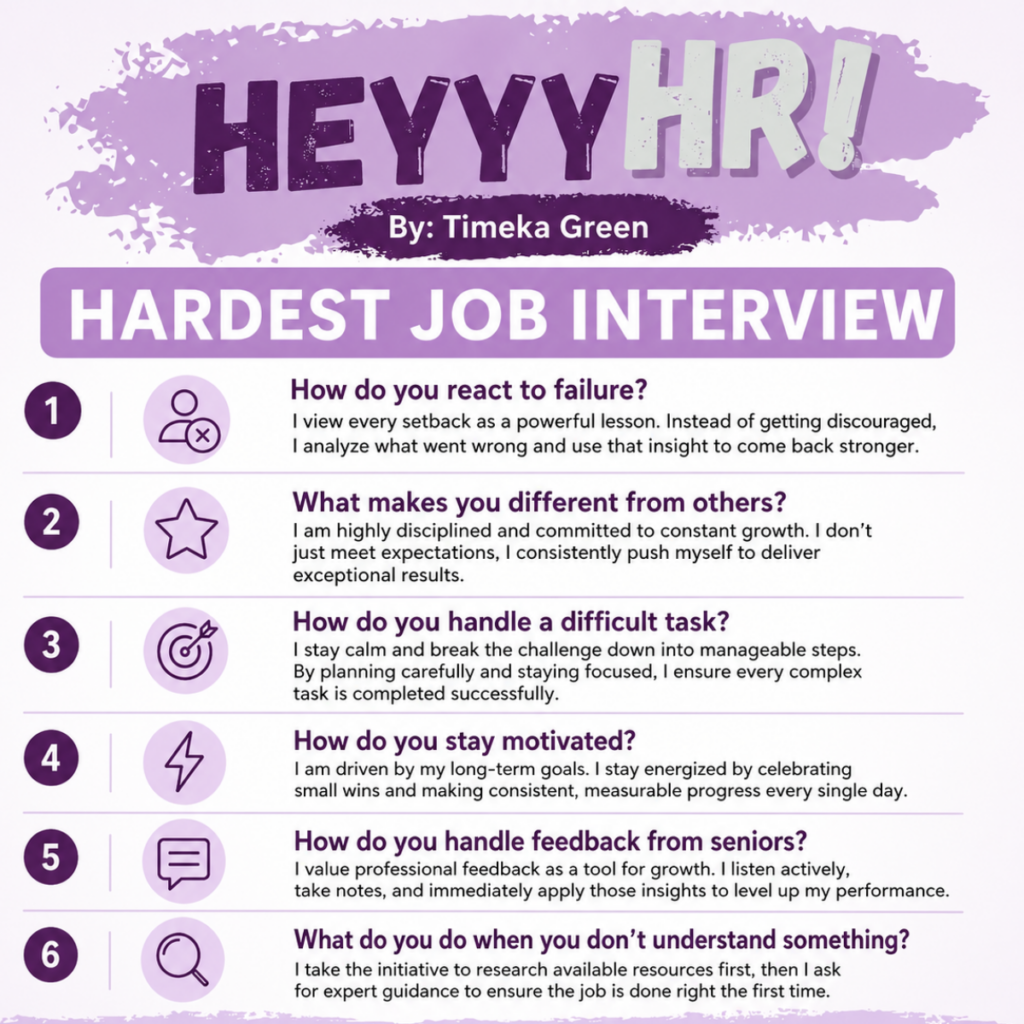
Candidates who understand what interviewers are looking for in each category can craft stronger answers that show both their knowledge and practical experience.
Preparing solid answers ahead of time helps candidates feel more confident during the interview.
Most human resources generalist positions require someone who can balance professional expertise with empathy and clear communication. This guide walks through the most common questions hiring managers ask and provides practical tips for answering them effectively.
HR Generalist Interview Topics
Interviewers assess candidates on their understanding of daily responsibilities, legal compliance requirements, and ability to protect sensitive data. These core areas reveal whether a candidate can handle the broad scope of work that defines the HR generalist role.
Key Responsibilities and Role Expectations
An HR generalist manages multiple functions across the entire employee lifecycle. The role includes recruiting and onboarding new hires, maintaining employee records, and administering benefits programs. HR generalists also handle employee relations, which involves resolving conflicts, conducting investigations, and managing terminations.
Performance management is another critical area. HR generalists work with managers to review performance processes and recordkeeping. They retain the documentation and history of performance management issues for every employee. If a manager needs instructions or directions, they will share resources.
Interview questions often focus on how candidates prioritize tasks and manage competing deadlines. Employers want to know if applicants understand the balance between administrative duties and meeting deadlines. Candidates should be ready to explain their experience with:
- Payroll changes
- Qualifying events
- Recruitment and selection processes
- Employee onboarding procedures
- Benefits administration systems
- Benefits management and qualifying events
- Performance review coordination
- Training program development
- Separation and termination processes
Compliance With Labor Laws and Regulations
HR generalists must ensure compliance with labor laws at federal, state, and local levels. This includes understanding regulations like the Americans with Disabilities Act (ADA), Family and Medical Leave Act (FMLA), Fair Labor Standards Act, and Equal Employment Opportunity laws.
Staying current with employment regulations requires ongoing education and attention to legal updates. HR generalists need to maintain policies that protect both employees and the organization from legal risks.
Common compliance topics in interviews include:
- Processing FMLA requests and tracking leave
- Maintaining employee rights and benefits while on FMLA
- Managing FMLA documentation and processing
- Ensuring ADA accommodations are provided
- Maintaining I-9 documentation
- Managing wage and hour requirements
- Conducting workplace investigations
- Managing workers’ compensation documents
Candidates should demonstrate their methods for staying informed about regulatory changes. This might include attending seminars, subscribing to HR publications, or consulting with employment attorneys.
Heyyy HR’s blog posts new blogs on a regular basis, which includes HR changes and trends. Click here to get notified of new blog posts.
Handling Confidential Employee Information
HR generalists work with sensitive data every day. This includes personal information (i.e Date of Birth, Social Security numbers, birthdates, etc), medical records, salary details, and disciplinary documentation. Protecting this information is both an ethical obligation and a legal requirement.
Interviewers assess how candidates maintain confidentiality when employees request information they shouldn’t access. Strong HR professionals know when to share data and when to restrict it, even under pressure from managers or coworkers.
Best practices for data security include:
- Using secure HR management systems (or HRIS) with access controls
- Storing physical files in locked offices and/or locked cabinets
- Limiting information sharing to a need-to-know basis
- Following data retention and destruction policies
- Training staff on privacy requirements
Candidates should be prepared to discuss situations where they faced requests for confidential employee information. The response should show their understanding of privacy laws and their ability to handle sensitive situations professionally without compromising data security.

Workplace Scenarios and Problem-Solving
HR generalists face daily challenges that require quick thinking and practical solutions. These situations test their ability to handle employee relations issues, mediate conflicts between team members, and guide struggling employees toward better performance.
Addressing Employee Relations Issues
HR situational interview questions often focus on how candidates handle sensitive employee relations matters. Interviewers want to see how applicants balance company policies with employee needs.
A strong answer should demonstrate active listening skills first. The candidate should explain how they gather facts from all parties involved before making decisions. They need to show they understand confidentiality requirements and legal considerations.
Common employee relations scenarios include:
- Complaints about favoritism or unfair treatment
- Concerns about workplace discrimination or harassment
- Disputes over paid time off or benefits
- Questions about company policy interpretation
The best responses show empathy while maintaining professional boundaries. Candidates should mention documenting conversations and following up with affected employees. They must prove they can protect both the organization and employee experience without compromising either side.
Conflict Resolution Techniques
Interviewers assess problem-solving skills through questions about workplace disputes. They want candidates who can defuse tense situations and find solutions that work for everyone.
Effective conflict resolution starts with meeting parties separately. The HR generalist should listen without judgment and identify the real issues behind surface-level complaints. Many conflicts stem from miscommunication or unclear expectations rather than actual disagreements.
The candidate should describe bringing employees together for mediated discussions. They need to set ground rules, keep conversations focused on behaviors rather than personalities, and guide both sides toward compromise. Some conflicts require creative solutions like schedule changes, role adjustments, or additional training.
Strong answers mention following up after resolution to ensure the fix worked. This shows commitment to employee engagement and long-term workplace harmony.
Performance Management and Improvement Plans
Questions about performance management reveal how candidates support struggling employees while protecting business needs. The interviewer looks for balanced approaches that give employees chances to improve.
A performance improvement plan should never surprise an employee. Good candidates explain how they document ongoing performance issues through regular check-ins and written feedback. They describe having honest conversations about specific problems with clear examples.
Key elements of effective PIPs include:
| Component | Purpose |
|---|---|
| Specific goals | Define exactly what needs to improve |
| Measurable targets | Set clear standards for success |
| Timeline | Establish realistic deadlines for progress |
| Support resources | Provide training or tools needed |
| Check-in schedule | Monitor progress regularly |
The candidate should discuss how they coach managers through difficult conversations. They need to show they balance compassion with accountability. The goal is employee performance management that helps people succeed when possible but protects the team when improvement does not occur.
HR Tools, Systems, and Processes
Employers want to know if candidates can handle the technical side of HR work. They ask about specific platforms and how well candidates can use data to make better decisions.
Benefits Administration and Payroll
Interviewers often ask candidates to describe their experience with benefits programs like healthcare, retirement plans, and paid time off. Strong answers include specific examples of how the candidate managed open enrollment periods or resolved employee questions about coverage.
Human Resources Information Systems (HRIS) require accuracy and attention to detail. Candidates should explain which platforms they’ve used and how they ensured error-free processing. A good answer might cover:
- Processing bi-weekly or monthly payroll-related changes for a specific number of employees
- Identifying payroll errors like incorrect deductions or missing overtime
- Working with finance and payroll teams to process payroll and benefits changes
- How to navigate the system
- How they ensure that employees and staff use the system correctly
When discussing benefits administration, candidates should mention how they communicated open enrollment and qualifying events to employees. They might describe creating guides, using their benefit broker or hosting information sessions to help employees understand their options.
Experience With HRIS and Applicant Tracking Systems (ATS)
Questions about HRIS and applicant tracking systems (ATS) test whether candidates can work with modern technology. Candidates need to name specific platforms they’ve used, like ADP, Bamboo HR, Paycom, or Palocity.
Strong responses explain how the candidate used these systems to improve processes. For example, they might discuss generating reports on turnover rates or using HR analytics to identify hiring bottlenecks. Candidates should describe how they maintained data accuracy and protected sensitive employee information.
Applicant tracking systems help manage the hiring process from job posting to offer letter. Candidates can strengthen their answers by explaining how they customized job templates, screened resumes more efficiently, decreased hiring time, or improved the quality of the candidates.
Optimizing the Onboarding Process
Interviewers want to know how candidates create smooth experiences for new hires. The best answers describe a complete onboarding program that goes beyond paperwork and orientation meetings.
Candidates should explain their approach to:
- Preparing workstations and equipment before day one
- Scheduling meetings with key team members
- Creating 30-60-90 day check-ins to track progress
- Building training and development plans for new roles
Problem-solving questions about onboarding might ask how candidates would handle remote employees or redesign outdated processes. Strong candidates discuss how they measured success through retention rates or employee satisfaction scores. They might also explain how their onboarding process supported workforce planning by helping new hires become productive faster.
Key Takeaways
- HR generalist interviews test knowledge across multiple HR functions from recruiting to compliance and employee relations
- Strong answers combine specific examples from past experiences with relevant data and facts that show real results
- Candidates should research the company beforehand and demonstrate both technical HR skills and problem-solving abilities
Frequently Asked Questions
HR Generalists face questions that test their ability to handle complex situations across recruitment, compliance, employee relations, data analysis, compensation, and training. These questions reveal how candidates manage real workplace challenges.
How do you manage the full employee lifecycle, from hiring through separation, in a fast-paced organization?
Strong candidates explain their systematic approach to each lifecycle stage. They describe how they coordinate job postings, screen applicants, and work with hiring managers to fill positions quickly without sacrificing quality.
Recruitment and onboarding responsibilities form the foundation of this process. The candidate should mention specific tools like applicant tracking systems they’ve used. They need to show they can maintain accurate employee records throughout each person’s time at the company.
Effective answers include examples of handling leaves of absence and managing departures professionally. The candidate might describe conducting exit interviews to gather feedback. They should demonstrate they can balance speed with thoroughness in fast-moving environments.
What steps do you take to ensure compliance with labor laws, company policies, and HR best practices?
Candidates should outline their methods for staying current with changing regulations. They need to describe how they monitor federal, state, and local employment laws that affect their organization.
The candidate might mention reviewing employee classifications, wage practices, and required postings. Strong answers include specific examples of implementing policy changes or correcting compliance issues.
The candidate demonstrates they understand that ensuring compliance requires both knowledge and proactive systems.
How do you handle employee relations issues, including conflicts, grievances, and performance concerns?
The best responses show a balanced approach between empathy and professionalism. Candidates explain how they listen carefully to employee concerns while remaining objective. They describe creating safe spaces for employees to voice issues.
Addressing employee relations matters requires investigation skills and discretion. The candidate should outline their process for gathering facts from all parties involved. They need to explain how they document conversations and follow up on action items.
Which HR metrics and reports do you track?
Effective candidates identify key metrics they monitor regularly. Common examples include turnover rates, time to fill positions, cost per hire, and employee satisfaction scores. They explain why each metric matters to organizational success.
Data collection alone isn’t enough without proper analysis. The candidate should describe how they spot trends in the numbers and what those patterns reveal. They might mention noticing department-specific retention problems or seasonal hiring challenges.
Presenting findings to leadership requires translating data into actionable recommendations. Strong answers include specific instances where metrics led to policy changes or new initiatives.
How do you administer compensation and benefits while ensuring accuracy, fairness, and confidentiality?
Candidates need to demonstrate attention to detail in payroll changes. They should describe their experience with payroll. They should explain their process for handling benefits enrollment and changes.
Confidentiality is critical when handling sensitive financial information. Strong answers include specific practices for securing employee data and limiting access.
How do you support learning and development initiatives and evaluate their impact on performance?
Candidates should explain how they identify training needs across the organization. They describe working with managers to spot skill gaps and create development plans. They might mention conducting needs assessments or employee surveys.
Measuring training effectiveness shows the return on investment. Strong answers include specific metrics like performance improvements, reduced errors, or increased productivity. The candidate demonstrates they track completion rates and gather feedback to refine future programs.
You May Also Like …
- YouTube Video – Discover the Secrets to Ace HR Generalist Interviews!
- YouTube Video – Preparing to be an HR Generalist
- YouTube Video – What it’s like being a Human Resources (HR) Generalist
- YouTube Video – HRIS
- YouTube Video – What is an ATS (Part 1)?
- 39 HR Generalist Interview Questions and How to Answer Them
- Problem Solving Interview Questions and Answers
- YouTube Video – HR Data & Analytics 101: KPIs, OKRs, Dashboards & More

 Subscribe to my channel