
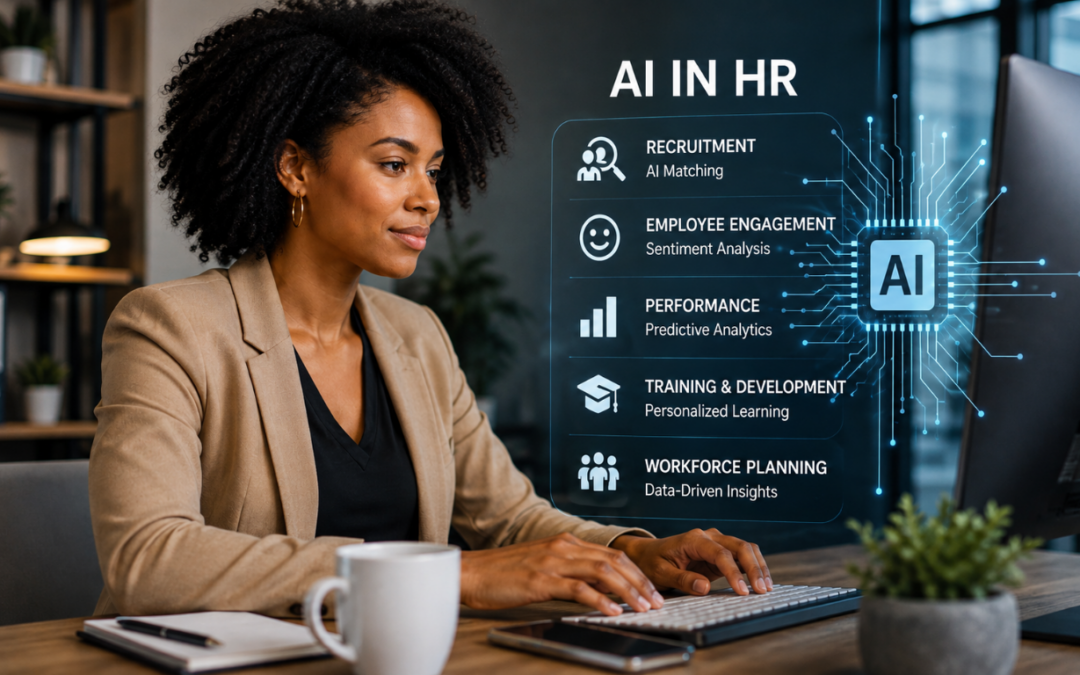
AI in HR is Artificial IntArtificial Intelligence (AI) has become an integral part of the business landscape, revolutionizing various sectors including Human Resources (HR). In HR, AI technology is leveraged to optimize the recruitment process, enhance employee experience, and streamline administrative tasks. By adopting AI, HR professionals can focus on more strategic initiatives as AI handles time-consuming and repetitive tasks, allowing them to concentrate on fostering talent and shaping company culture.
Understanding and implementing AI in HR practices can dramatically improve the efficiency of talent acquisition and management processes. With AI-driven analytics, HR departments can gain insights into workforce trends and predict future talent needs, while AI-based tools can help in coaching and training employees for their professional development. Moreover, AI in HR paves the way for personalized employee experiences, engages the workforce effectively, and offers innovative solutions to traditional HR challenges.
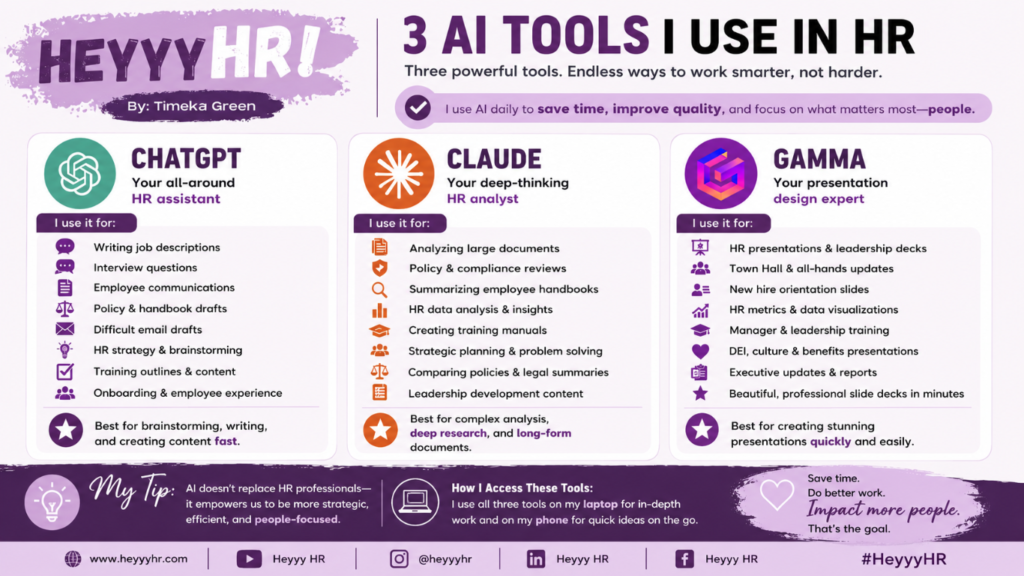
Initially, I hated AI and couldn’t understand how anybody could want to use anything that was detrimental to the communities around it and would actually replace humans in the workplace. When I started working for an AI-forward company, it was a requirement to use AI in my work. When I started using AI in HR, I got tasks done quicker, which allowed me to focus and see strategic moves more easily. After implementing it, I saw a drastic improvement in productivity, training, and onboarding.
The Evolution of AI in Human Resources
The role of artificial intelligence (AI) in human resources (HR) has transformed tremendously over the years, integrating deep learning and natural language processing to innovate and enhance various HR functions. AI is extremely new, while HR professionals working strategically were still fairly new.
Historical Development of AI in HR
The journey of AI in HR began with automating simple tasks and has evolved to include sophisticated algorithms and machine learning. In the early stages, technology in HR was primarily used for payroll processing and timekeeping. As AI advanced, it began to reshape HR practices by predicting employee turnover, optimizing job postings, and even analyzing employee sentiment.
AI’s Impact on Talent Acquisition
AI now plays a crucial role in talent acquisition. It automates candidate sourcing, enhances the recruitment process with predictive analytics, and improves candidate experience. AI-driven systems can scan through thousands of resumes, identifying candidates who best match the job requirements, thus saving your recruiters considerable time and effort.
Technological Advances in HR Tools
Today’s HR tools leverage AI for more engaged and effective workforce management. Innovations like generative AI create realistic job simulations for training, while deep learning algorithms customize learning experiences. Additionally, chatbots and virtual assistants powered by natural language processing are now fundamental in answering employee queries, providing a seamless and interactive experience.
AI-Driven Recruitment and Selection
In your quest to streamline recruitment and enhance selection, artificial intelligence (AI) stands as a powerful ally. The technologies tailored for this sector not only refine your hiring process but also bring sophisticated automation and insights to the table when used correctly. Make sure to avoid discrimination and biased sourcing when using AI tools in recruiting.

Improving the Hiring Process with AI
AI revolutionizes hiring by automating mundane tasks and freeing up your time for more strategic endeavors. Imagine having an AI system that screens thousands of resumes instantaneously, identifying the most suitable candidates based on predefined criteria. This level of automation in the hiring process not only accelerates the selection timeline but also ensures you’re shortlisting candidates who meet the job requirements accurately.
The Role of Chatbots in Recruitment
Recruitment chatbots transform candidate engagement by providing real-time interactions. They are instrumental in answering applicants’ queries and providing feedback. This level of engagement was once unthinkable without a human in the loop. Chatbots offer a consistent communication channel, keeping candidates informed and engaged, thereby enhancing the candidate experience throughout the recruitment cycle. It is important that chatbots are constantly evaluated by humans to avoid incorrectly answering questions, to be updated to follow updated recruiting tactics, and to provide answers to candidates accurately and efficiently.
Tackling Bias in AI Algorithms
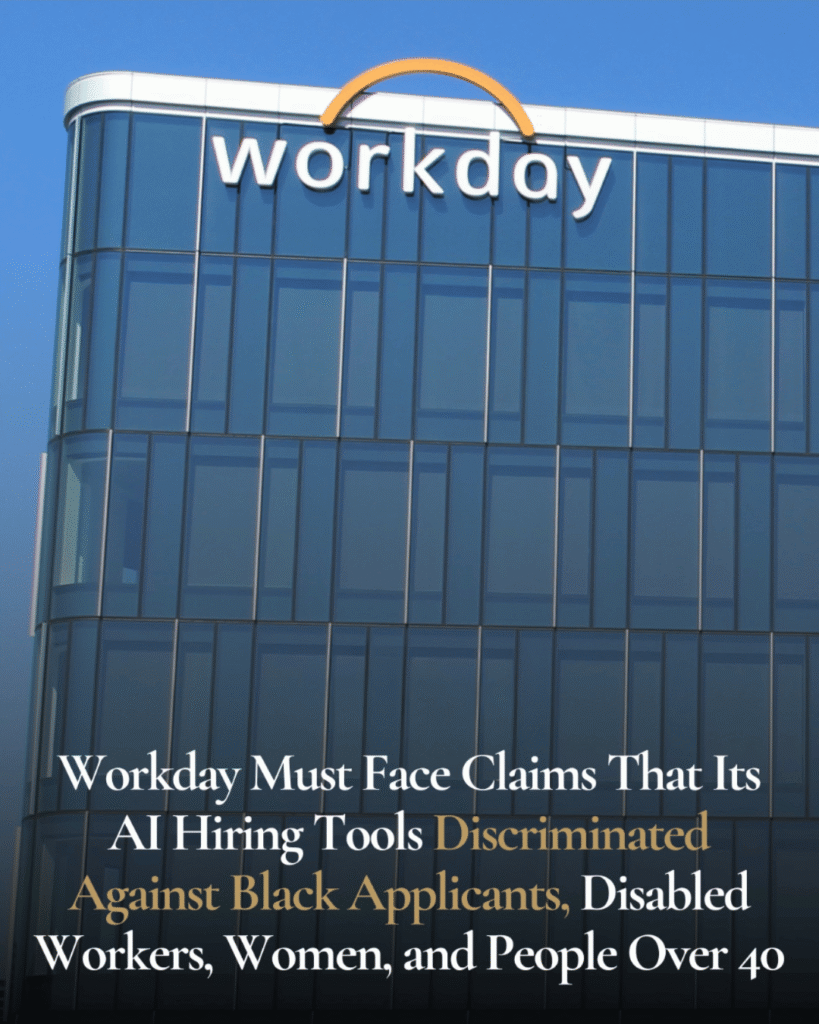
One of the daunting challenges in AI-driven recruitment is ensuring that the algorithms are unbiased. Your committed effort to audit AI systems helps to identify and eliminate bias, promoting a fair and inclusive hiring practice. Bear in mind, it’s crucial to regularly refine these algorithms with diverse data sets to prevent replicating human prejudices, thereby supporting an equitable selection process. The popular HRIS, Workday, recently faced a lawsuit that has made many HR professionals open their eyes to how easily AI can discriminate.
Enhancing Employee Experience with AI
Artificial Intelligence (AI) is transforming human resources, focusing on the betterment of employee experience from hiring to retirement. By introducing AI into HR processes, you experience personalization and efficiency that lead to greater engagement and satisfaction.
Personalized Training and Development
Your training and development programs can be tailored to your professional needs and learning pace thanks to AI. Machine learning algorithms analyze your performance data, offering customized courses and materials that are most beneficial for your career growth. Platforms utilizing AI can identify skill gaps and recommend targeted training modules, streamlining your career development pathway.
Personally, I’ve used Claude to create a comprehensive training program for our sales team. We were able to create training manuals, agendas, quizzes, and an interactive training dashboard. This allowed our sales team to improve from gaining their first sale in their first 30 days to getting their first sale in their first 3 days post-training completion.
AI in Performance Management
AI significantly enhances performance management by offering real-time feedback and detailed analytics. While you work, AI tools can track progress, set goals, and provide actionable insights. This data-driven approach promotes a clear understanding of your achievements and areas for growth, leading to a more just and objective performance review process.
Benefits Administration Through AI
Streamlining benefits administration, AI makes enrolling in and managing your employee benefits easier and more accessible. AI-powered chatbots can answer your benefits-related queries instantly, and predictive analytics helps in customizing benefit packages that suit your individual needs. This automation reduces human error and ensures that employee satisfaction with benefits is high.
Strategies for AI Implementation in HR
To leverage artificial intelligence (AI) effectively within human resources (HR), it’s crucial to focus on enhancing operational efficiency, ensuring ethical application, and integrating technologies that prepare your HR department for the future.
Operational Efficiency and HR Management
Your focus on operational efficiency can significantly benefit from the integration of AI in HR. Consider AI-driven tools for assessing and automating routine tasks – this not only streamlines HR management processes but also allows your HR workforce to concentrate on more strategic and innovative tasks. For instance, AI can improve recruiting processes through the automation of candidate screening, thus saving time and reducing human bias. AI can create survey questions for many types of employee engagement, exiting/terminations, training, etc.
- Automation of Administrative Tasks: scheduling, payroll, and employee data updates
- Data-Driven Decision Making: workforce planning and predicting HR trends
Ethical Considerations in AI Adoption
Adopting AI in HR requires a balance between efficiency and ethics. You must ensure transparency in how AI tools process employee data and make decisions. To address potential ethical concerns, implement clear guidelines for AI usage that protect employee rights and privacy. Regular audits of AI systems can detect biases, guarding against discrimination and reinforcing fair treatment in all HR processes.
- Development of an AI Ethics Policy: Clearly define acceptable uses of AI and the measures in place to protect employee data.
- Regular Audits: Perform consistent evaluations to maintain the fairness and integrity of AI applications in HR.
Future-Proofing HR with Intelligent Technologies
As you prepare HR for the future, invest in AI solutions that offer adaptability and continuous learning capabilities. By embracing systems that not only resolve current issues but can also evolve with emerging HR challenges, your department stays at the forefront of human resource management. The rise of generative AI technology reflects a significant shift in job dynamics, emphasizing the need for HR to adapt to these new capabilities.
- Investment in Scalable AI Solutions: Choose AI platforms that can grow and adapt with your HR department.
- Employee Upskilling: Provide training for your HR workforce to harness the full potential of intelligent technologies.
The Challenges and Opportunities of AI in HR
Integrating Artificial Intelligence into Human Resources presents a unique set of challenges and opportunities, from improving efficiency in workforce planning to ensuring diversity in the workplace.
Navigating the Complexities of AI Tools
Challenges: As you look to integrate AI tools in HR, you’ll find navigating their complexities to be a substantial challenge. It’s critical to comprehend the implications of these technologies fully, especially in terms of data privacy and security. These concerns are compounded by the persistent need to maintain ethical standards in AI implementation.
Opportunities: On the flip side, the right AI tools can simplify people management and talent acquisition. You can leverage AI’s data-processing prowess for insightful analytics, paving the way for more informed decision-making.
AI for Strategic Workforce Planning
Challenges: Striking a balance between automation and human capital is complex. AI can prompt worries about job displacement, necessitating transparent communication and ethical use of technology. Retaining the human touch in HR processes also poses a challenge.
Opportunities: AI excels in compiling and analyzing vast amounts of data, enhancing your ability to engage in strategic workforce planning. You can anticipate labor needs and skill gaps, positioning your organization favorably for future trends.
Fostering Diversity and Inclusion
Challenges: An obstacle in machine learning algorithms is that they may unintentionally perpetuate existing biases, thus impacting diversity and inclusion efforts.
Opportunities: When diligently managed, AI can be an asset in promoting diversity within your organization. Analytical AI tools can help identify bias in hiring processes and suggest corrections, ensuring a more inclusive environment for all employees.
By understanding these aspects, you equip yourself to tap into AI’s potential to revolutionize how HR functions while adeptly managing the risks involved.

Key Takeaways
- AI technology streamlines HR operations, from hiring to talent development.
- Implementing AI in HR provides actionable insights for predictive and strategic HR management.
- AI in HR enhances the employee experience with tailored support and engagement strategies.
Frequently Asked Questions
Artificial intelligence is reshaping the landscape of human resources, offering innovative tools for efficiency, data-driven decisions, and enhanced employee experiences. Explore these common questions to better understand the impact of AI in HR.
How is artificial intelligence (AI) utilized to streamline HR processes?
AI automates routine tasks like sorting applications and scheduling interviews, permitting HR professionals to focus on more strategic activities. Technologies such as machine learning and natural language processing are also employed to analyze employee feedback and streamline communication channels. AI can be used to analyze data quicker, make presentations faster and create comprehensive training programs.
What are the benefits of integrating AI into HR functions?
Incorporating AI into HR functions leads to increased efficiency, improved hiring decisions due to predictive analytics, and personalized employee development plans. AI-driven insights further help manage and predict turnover, fostering a better workforce environment.
What AI training or certifications are available for HR professionals?
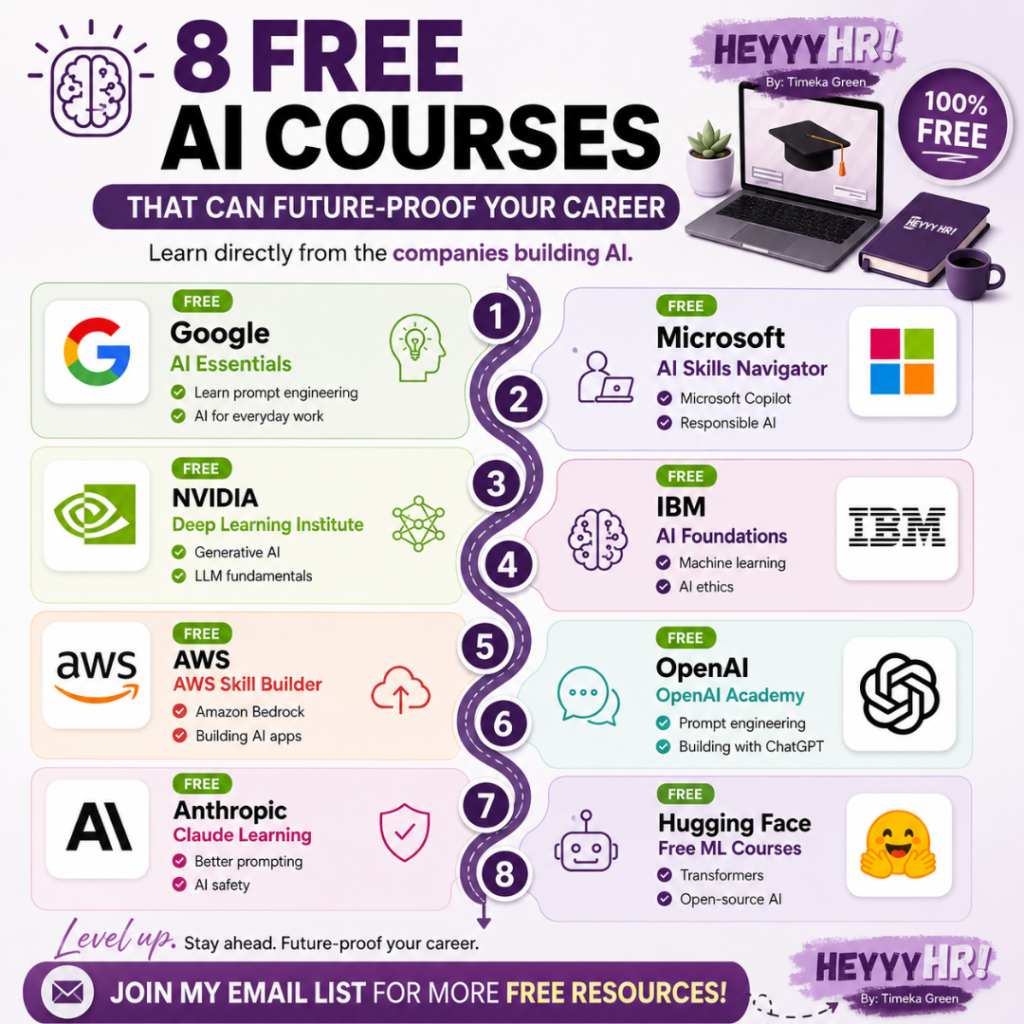
Numerous online courses and certification programs exist for HR professionals interested in upskilling in AI technologies. These range from workshops on AI fundamentals to advanced programs covering AI implementation in HR practices.
You May Also Like:
- AI in HR – Learning Hub
- AI in HR – Deep Dive
- What is Artificial Intelligence (AI)?
- ChatGPT and AI: Unveiling the Future of Conversational Technology
- What is AI? ChatGPT, Claude and Gamma Explained for Beginners

 Subscribe to my channel