
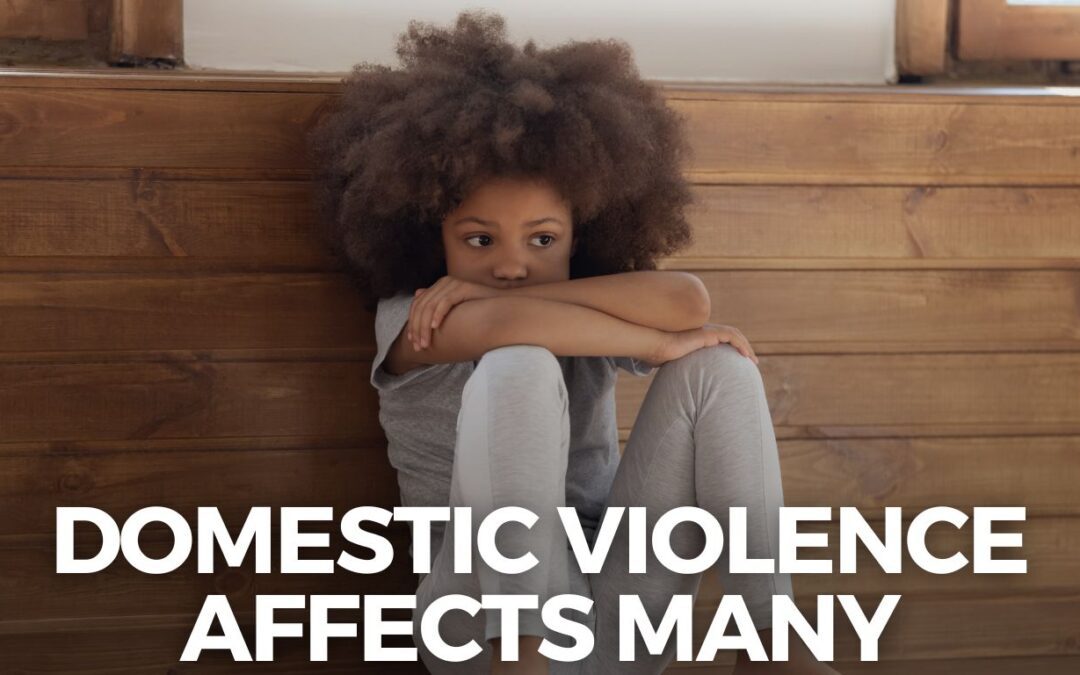
Domestic Violence Awareness is a topic that is often kept silent for so many reasons and for far too long. Domestic Violence Awareness is most noticeable during October since it is designated as Domestic Violence Awareness Month. Domestic violence affects people of all ages, backgrounds, and communities. It is not limited to physical harm but also includes emotional, financial, and psychological abuse. Domestic abuse means one person uses power and control to harm or intimidate another in a close relationship.
You may hear terms like domestic violence in the 2nd or 3rd degree, which describe different levels of severity under the law. These can include physical injury, threats, or repeated acts of abuse. Knowing the legal definitions helps you understand how the system responds and why certain cases carry stronger penalties.

Domestic Violence Awareness matters because it opens the door to prevention and support. Domestic Violence Awareness Month highlights the importance of education and resources, such as shelters, helplines, and other resources. When you know the types of abuse and where to find help, you gain tools to protect yourself and others.
Every year, October is a difficult month for me. It’s the anniversary of when I escaped my abuser after having a gun pointed to my head and the trigger being pulled. To this day, it’s hard to share my story, but when others say that it helped them in some way, it makes it worth it. Click here to hear the first attempt on my life by my abuser.
Defining Domestic Violence and Abuse
Domestic violence and abuse involve patterns of harmful behavior that affect safety, health, and stability. These acts can be physical, emotional, sexual, financial, or psychological, and they often occur within intimate or family relationships. Understanding the forms and definitions helps you recognize the signs and know when to seek support.
What Is Domestic Violence?
Domestic violence refers to harmful actions used to gain power and control over another person in a household or relationship. It often involves a current or former intimate partner but can also include family members.
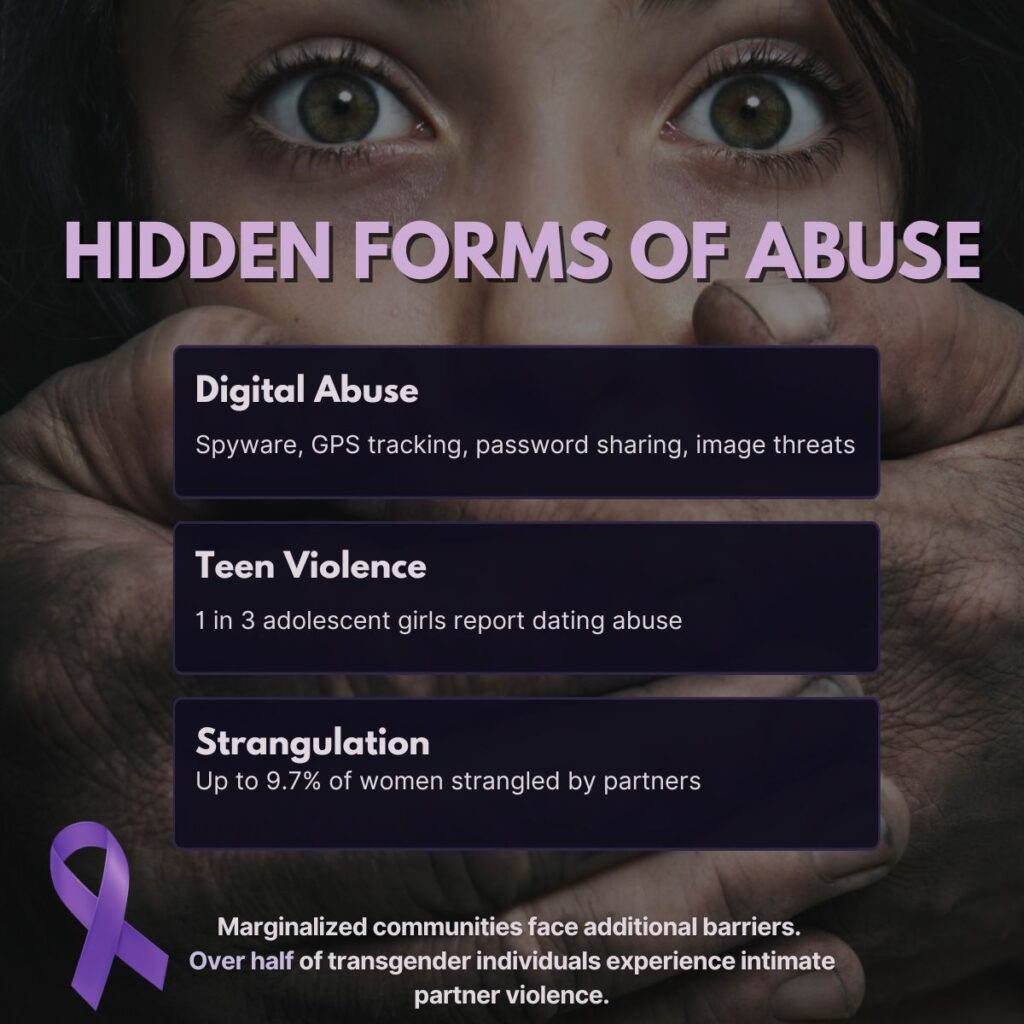
You may see it expressed through physical violence, such as hitting, choking, or using weapons. It also includes non-physical forms like threats, intimidation, and isolation.
The World Health Organization reports that about one in three women worldwide has experienced physical or sexual violence, most often by an intimate partner. This makes domestic violence a major public health issue with long-term effects on both physical and mental health.
Domestic violence is not limited to one culture, income level, or community. It occurs globally and affects people of all backgrounds, making awareness and prevention a shared responsibility.
Domestic Abuse vs. Domestic Violence
You may hear the terms domestic abuse and domestic violence used interchangeably, but they are not always the same. Domestic abuse is broader and includes all forms of mistreatment—emotional, psychological, financial, and sexual—whether or not physical harm is present.
Domestic violence usually refers specifically to physical or sexual harm. However, many experts and organizations, including the CDC, recognize that both terms describe behaviors rooted in control and coercion.
For example:
| Term | Scope | Examples |
|---|---|---|
| Domestic Violence | Focuses on physical and sexual harm | Hitting, choking, forced sex |
| Domestic Abuse | Broader, includes non-physical harm | Verbal threats, financial control, isolation |
Understanding the distinction helps you see that abuse can exist even without visible injuries. Recognizing emotional or financial abuse is just as important as identifying physical violence.
Types of Domestic Violence
Domestic violence takes many forms, and recognizing them can help you spot early warning signs.
Common types include:
- Physical violence: hitting, kicking, strangling, or the use of weapons.
- Sexual violence: forcing or pressuring sexual activity without consent.
- Emotional abuse: insults, humiliation, threats, or constant criticism.
- Financial abuse: controlling money, preventing work, or restricting access to resources.
- Psychological abuse: manipulation, intimidation, or gaslighting.
Each type can occur alone, but often overlaps. For example, someone facing financial abuse may also experience emotional or psychological abuse.
Recognizing these patterns matters because abuse can escalate over time. Even non-physical forms can have serious effects on your mental health, relationships, and independence.
Understanding Intimate Partner Violence
Intimate partner violence (IPV) is a specific form of domestic violence that occurs between current or former romantic partners. It includes physical, sexual, emotional, and controlling behaviors.
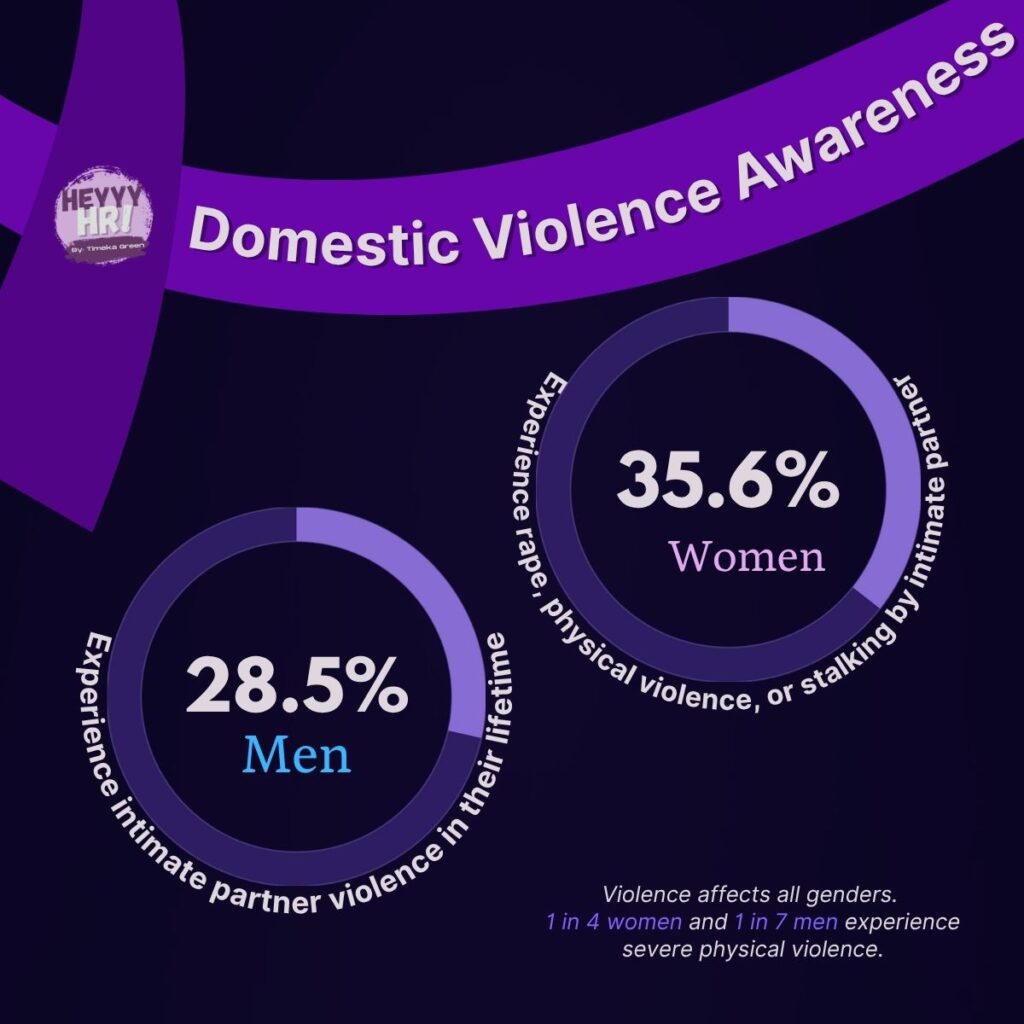
IPV is one of the most common forms of gender-based violence. Studies show that nearly 38% of women killed worldwide are murdered by an intimate partner, according to Everytown Research.
You may face IPV in different ways:
- Ongoing threats or intimidation
- Monitoring through technology or social media
- Physical assaults during conflicts
- Restricting friendships, family contact, or social connections
IPV is especially harmful because it involves betrayal of trust in a close relationship. It can leave long-lasting effects such as PTSD, depression, anxiety, and financial instability. Recognizing IPV as part of the larger issue of domestic violence helps you understand the risks and importance of seeking safety and support.
Legal Aspects of Domestic Violence
Domestic violence is treated as a criminal matter with different degrees of severity, depending on the harm caused, the intent of the perpetrator, and prior offenses. Laws also provide protections for survivors through federal acts and state-level rights that help you seek safety, justice, and independence.
Domestic Violence 2nd Degree
Domestic violence in the 2nd degree usually involves serious physical harm or the use of a dangerous weapon. In many states, this charge applies when the perpetrator intentionally causes injury that could result in long-term health problems.
You may also see this charge if the offender has a prior record of abuse or if the victim is a vulnerable person, such as a child or elderly family member.
This offense is often classified as a felony, which can lead to prison time, probation, and mandatory counseling for the offender. Penalties differ by state, but they are more severe than misdemeanor-level charges.
If you are a victim in a case involving 2nd degree domestic violence, you may be entitled to protective orders, emergency shelter, and victim advocacy services to help you stay safe during legal proceedings.
Domestic Violence 3rd Degree
Domestic violence in the 3rd degree is generally considered less severe than the 2nd degree but still involves intentional harm or threats. This charge often applies when the abuse includes physical assault that does not cause serious injury, repeated harassment, or intimidation within a household or intimate relationship.
In some states, 3rd degree domestic violence is treated as a misdemeanor, carrying penalties such as fines, short jail sentences, or mandatory intervention programs. However, repeat offenses can escalate the charge to a felony.
You should know that even if the injury seems minor, the law recognizes the harm done to your safety and well-being. A conviction can also restrict the offender from possessing firearms and may create long-term consequences for employment and custody rights.
Protective measures like restraining orders are available regardless of whether the charges are 2nd or 3rd degree. This ensures you have legal tools to prevent further contact from the abuser.

Violence Against Women Act
The Violence Against Women Act (VAWA) is a federal law that provides protections and resources for survivors of domestic violence, sexual assault, and stalking. It recognizes that violence against women is both a public health and human rights issue.
Under VAWA, you may qualify for immigration relief if your legal status depends on your abuser. For example, you can apply for residency without relying on the perpetrator, which helps reduce control and fear of deportation.
The act also funds shelters, crisis hotlines, and training for law enforcement to better handle domestic violence cases. These programs expand access to safe housing, legal aid, and culturally appropriate services for survivors, including immigrants and refugees who often face added barriers, as noted in domestic violence awareness research.
VAWA has been reauthorized multiple times to strengthen protections, including expanding coverage for Native women, LGBTQ+ individuals, and underserved populations.
Legal Rights for Survivors
As a survivor, you have specific legal rights that protect your safety and give you access to justice. These rights vary by state but often include:
- Filing for restraining or protective orders
- Accessing confidential shelters and counseling
- Requesting financial compensation through crime victim funds
- Seeking custody protections for children
You also have the right to be informed about court proceedings and to receive protection from intimidation by domestic violence perpetrators during the legal process.
If you are an immigrant, laws like VAWA and the U visa program allow you to pursue legal status independently of an abuser. This ensures that fear of deportation does not prevent you from reporting abuse.
Knowing your rights helps you make informed decisions and reduces the power imbalance that abusers often use to maintain control. Legal support, combined with community services, plays a critical role in rebuilding safety and stability.
Domestic Violence Awareness and Prevention
You can better understand domestic violence by looking at how awareness campaigns, community advocacy, prevention strategies, and federal funding shape support systems. Each area plays a role in ensuring survivors have access to resources and that prevention efforts reach those most at risk.
Domestic Violence Awareness Month
Every October, Domestic Violence Awareness Month brings attention to the widespread impact of abuse. During this time, organizations highlight the experiences of survivors and share resources like the Domestic Violence Helpline, which offers confidential support in multiple languages.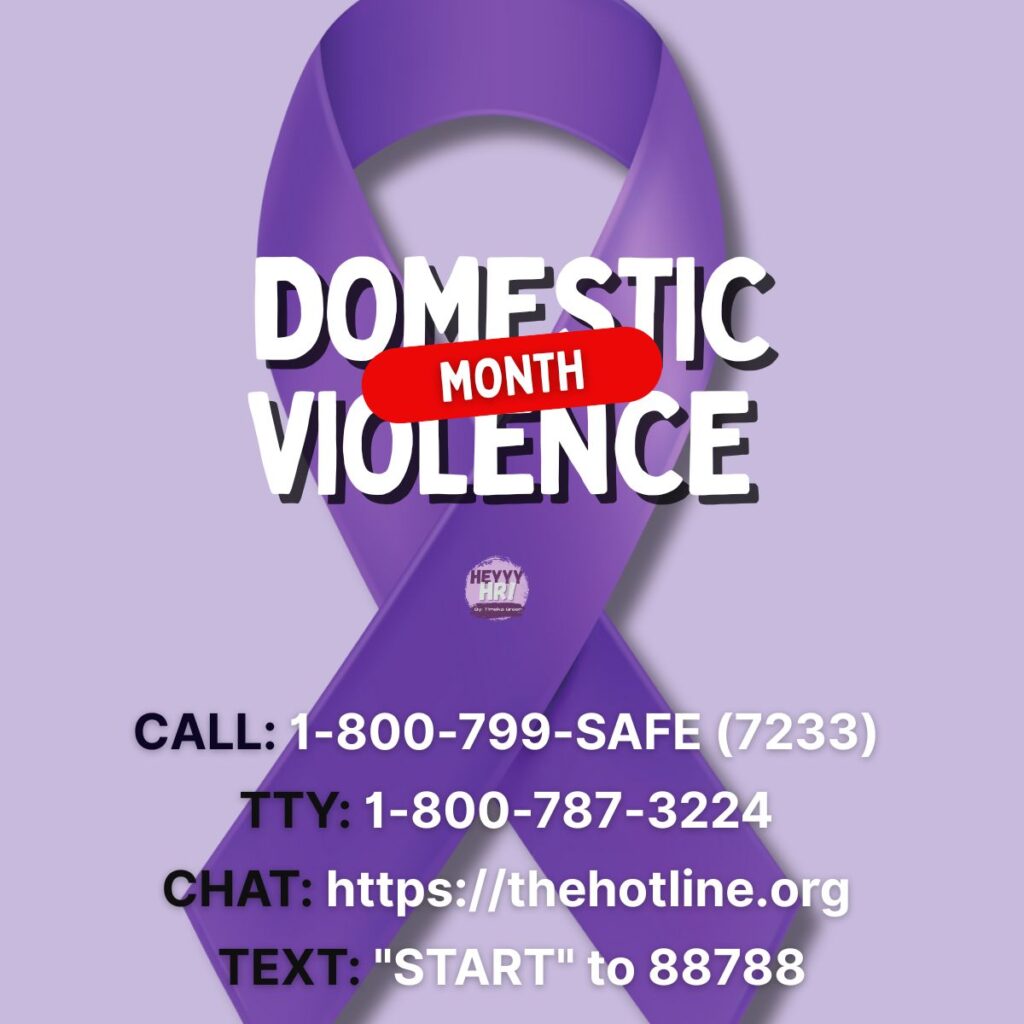
You may notice communities using purple ribbons, holding vigils, or organizing educational events. These activities are not only symbolic but also practical, as they increase visibility of shelters, legal aid, and counseling services.
Awareness campaigns help you recognize the different types of domestic violence, including physical, emotional, financial, and digital abuse. By learning the signs, you can support friends, family, or coworkers who may be experiencing harm.
Community Advocacy and Education
Community advocacy ensures survivors are not isolated. Local groups often provide support services such as emergency shelter, food assistance, and counseling. These services are essential when survivors need immediate safety.
Education programs also play a major role. Schools, workplaces, and faith groups may host workshops that explain how to define domestic abuse, identify warning signs, and connect people to help. This makes it easier for you to understand how to respond if someone discloses abuse.
Trusted community leaders and organizations can bridge cultural or language barriers, especially for immigrant and refugee women who face unique risks. Partnerships with these leaders help survivors feel safe seeking help without fear of stigma or deportation.
Prevention Strategies
Prevention focuses on reducing risks before violence occurs. You can support prevention by promoting healthy relationship education, which teaches respect, communication, and equality.
Programs that address harmful gender norms or challenge beliefs that normalize abuse are also important. For example, community campaigns may encourage men and boys to take part in ending violence, not just women and girls.
Practical strategies include:
- School-based programs that teach conflict resolution
- Workplace policies that protect employees experiencing abuse
- Public awareness campaigns that share helpline numbers and shelter contacts
These efforts give you tools to intervene early, whether in your own relationships or when supporting others.
Role of Federal Funding and VOCA
Federal funding is critical for keeping shelters and victim services open. The Victims of Crime Act (VOCA) provides grants that support counseling, legal aid, housing, and crisis hotlines. Without this funding, many programs would not survive.
When VOCA funds decrease, organizations warn of fewer beds in shelters and reduced access to mental health support. You rely on these services to ensure survivors have safe places to turn. Advocacy for strong federal funding helps protect these lifelines and ensures communities continue to offer essential support.
Support Services and Resources for Survivors
You can access several forms of support if you are experiencing domestic abuse. These include confidential hotlines, safe housing, counseling, and therapy services that focus on recovery and long-term stability.
Domestic Violence Helpline
A domestic violence helpline gives you immediate, confidential access to trained advocates. You can call the National Domestic Violence Helpline at 1-800-799-SAFE (7233) or use its TTY line at 1-800-787-3224. Support is free, available 24/7, and offered in over 200 languages.
Helplines provide crisis intervention, safety planning, and referrals to local resources. If you are unsure where to start, calling a helpline can connect you to shelters, counseling, or legal aid in your area.
You can also reach out if you are worried about a friend or family member. Advocates will guide you on safe ways to support survivors without putting yourself at risk.
Domestic Violence Shelter
A domestic violence shelter offers you a safe place to stay if you are escaping abuse. Shelters are confidential, meaning your location will not be shared with the abuser. Stays may be short-term, but many shelters also help you transition into longer-term housing.
Shelters often provide meals, clothing, and basic needs. Many also offer on-site counseling, support groups, and case management services. These services help you rebuild stability and reduce the risk of homelessness.
Some shelters have specialized programs for children, ensuring they receive emotional support and schooling while families recover. Staff can also connect you with medical care and legal assistance.
Emergency Shelter and Housing
Emergency shelters are designed for immediate safety. You can enter quickly, often within hours, if you are in danger. These shelters typically provide a secure environment, food, and 24-hour staff support.
Housing programs may also include transitional housing, where you can stay for several months while working toward permanent housing. This support reduces the chance of returning to unsafe environments due to a lack of options.
Some communities offer rental assistance or partnerships with landlords to help survivors of domestic abuse secure stable housing. This prevents long-term homelessness and allows you to focus on recovery.
Local organizations often coordinate with national hotlines to place survivors in the nearest available emergency housing.
Counseling and Therapy Options
Counseling and therapy help you process trauma and rebuild confidence. You may choose individual therapy, group counseling, or family sessions depending on your needs.
Therapists trained in trauma and abuse recovery can guide you through safety planning, coping strategies, and rebuilding healthy relationships. Counseling also addresses issues like anxiety, depression, and post-traumatic stress that often follow abuse.
Some shelters and community centers provide free or low-cost therapy. Services may be offered in multiple languages and tailored to cultural needs, making them more accessible for immigrant and refugee survivors.
You can also find online counseling options, which may be safer and more convenient if leaving home is difficult. Therapy provides a structured space to heal and regain a sense of control.
Impact and Recovery from Domestic Violence
Recovery from domestic violence often requires long-term support that addresses both physical and emotional needs. Effective approaches include trauma-informed care, targeted psychological treatments, and structured therapies that reduce symptoms like depression, anxiety, and post-traumatic stress disorder. Research shows that consistent, evidence-based interventions can improve safety, stability, and overall well-being.

Cognitive Behavioural Therapy
Cognitive Behavioural Therapy (CBT) is one of the most studied treatments for survivors of domestic violence. It helps you identify and change negative thought patterns that reinforce fear, guilt, or low self-worth.
A modified version, such as Cognitive Trauma Therapy for Battered Women, adapts CBT to the unique needs of survivors. This includes addressing risks of ongoing abuse, feelings of responsibility, and safety concerns.
CBT often uses techniques like:
- Problem-solving to manage daily stress
- Cognitive restructuring to challenge harmful beliefs
- Exposure exercises to reduce trauma-related avoidance
By combining practical skills with emotional healing, CBT has been shown to reduce symptoms of PTSD, depression, and anxiety, making it a valuable option in recovery.
Special Considerations and Related Issues
When you look at domestic violence, you should also consider how it connects to other forms of abuse and crime. These issues often overlap, and understanding them helps you recognize risks, patterns, and the broader impact on victims and communities.

Child Abuse and Elder Abuse
Children who grow up in violent homes face a higher risk of abuse themselves. Exposure to domestic abuse can cause trauma, emotional distress, and long-term health problems. Research shows that children who witness violence may struggle with depression, anxiety, or difficulties in school.
Elder abuse can also occur in households where domestic violence is present. Older adults may face neglect, financial exploitation, or physical harm. In some cases, the abuser is a family member who also controls other relatives.
You should know that both child abuse and elder abuse can remain hidden because victims often depend on the abuser for care or support. Recognizing warning signs such as unexplained injuries, withdrawal, or sudden financial changes is important.
Sexual Violence and Assault
Sexual violence often overlaps with domestic abuse. Survivors may experience sexual assault from an intimate partner who uses coercion, threats, or force. This type of abuse is not always reported, especially when the victim fears retaliation or does not know their legal rights.
You may also see sexual violence used as a tool of control. Abusers sometimes restrict access to contraception, force sexual activity, or use humiliation to maintain dominance. These actions can cause both physical harm and deep psychological trauma.
Support services like crisis hotlines, rape crisis centers, and trauma-informed counseling are critical. Access to confidential care and legal protections allows victims to begin recovery in a safe environment.
Domestic Violence Perpetrators
Understanding the behavior of domestic violence perpetrators helps you see how abuse patterns develop. Perpetrators often use intimidation, isolation, and financial control to maintain power. They may also minimize their actions, deny responsibility, or blame the victim.
Some perpetrators show repeated patterns of violence across relationships. Others escalate from verbal abuse to physical or sexual violence over time. Risk factors can include substance abuse, rigid beliefs about gender roles, or a history of experiencing violence themselves. Intervention programs aim to reduce repeat offenses, but success depends on accountability and consistent monitoring.
For you, being aware of these patterns can help identify early warning signs and prevent further harm.
Key Takeaways
- Domestic Violence Awareness is in various ways to bring attention to victims who are silent
- Domestic violence includes more than physical harm
- Awareness and support services provide safety and guidance
Frequently Asked Questions (FAQs)
You may notice warning signs in behavior, learn about different forms of abuse, and understand how the law provides protection. Support services, hotlines, and shelters can also guide you through steps to stay safe and rebuild stability.
What are the signs of domestic abuse?
You may see controlling behavior, isolation from friends or family, verbal threats, or physical harm. Financial control, monitoring your movements, and constant criticism are also common signs. Abuse is about power and control, not just physical violence.
How can someone get help if they are experiencing domestic violence?
You can call a confidential hotline such as the National Domestic Violence Hotline. Local shelters and advocacy groups provide safe housing, legal help, and counseling. If you are in immediate danger, call 911.
How does domestic violence affect children and families?
Children exposed to abuse often face long-term mental health risks, including anxiety and depression. Research shows that kids who witness violence may struggle with school, relationships, and emotional regulation. Families may also experience financial strain and housing instability.
What resources are available for individuals seeking to leave a domestic violence situation?
You can access free services such as advocacy, crisis support, and safety planning through domestic violence specialists. Shelters provide temporary housing and connections to long-term support programs. National and local hotlines operate 24/7 to help you find safe options and connect with trusted organizations.
You May Also Like…
- What is domestic violence?
- Breaking the silence about suicide prevention.
- Domestic Violence Helpline
- My Sister’s House (Domestic Violence Shelter)

 Subscribe to my channel